How to Store and Prepare Fresh Fish at Home
Fresh fish is delicate and needs careful handling from the fishmonger's counter to your table. Proper storage and preparation ensure it stays safe, delicious, and at its peak quality. Here's everything you need to know.
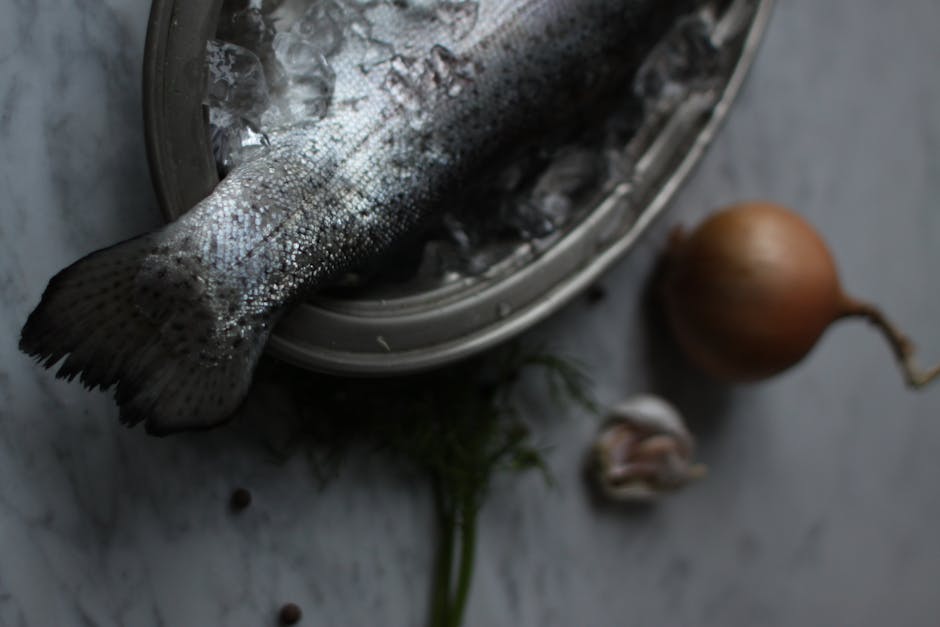
Store it immediately. Get your fish home quickly and into the coldest part of your fridge straight away. If you can't cook it within a few hours, place it on a bed of ice in a bowl, covering it loosely with cling film. The ice keeps it at the optimal temperature and the loose covering allows air circulation. Change the ice if it melts.
Know the timeline. Fresh fish should be cooked within 24 hours of purchase, ideally within 12 hours. If you know you won't use it immediately, freeze it as soon as you get home. Properly frozen fish keeps for up to three months and thaws beautifully if handled carefully.
Freezing properly. Pat the fish dry with kitchen paper, then wrap it tightly in cling film or foil, excluding as much air as possible. Label it with the date and type of fish. Thaw in the fridge overnight before cooking, never at room temperature, which encourages bacterial growth.
Prepare your workspace. Use a clean chopping board dedicated to fish, or wash thoroughly after use. Have paper towels, a sharp knife, and a bowl ready. Keep everything cold; work quickly and keep the fish chilled until the moment you cook it.
Cleaning and filleting. If your fishmonger hasn't already cleaned your fish, do it under cold running water, scraping away scales with the blunt edge of a knife. Remove the guts, then rinse inside and out. For filleting, place the fish on a board, make a cut behind the head down to the backbone, then run your knife along the backbone toward the tail, keeping the blade angled slightly toward the bones.
Smell test before cooking. Even if you've stored it perfectly, give the fish a quick sniff before cooking. It should smell pleasantly of the sea. Any strong fishy smell means it's past its best and shouldn't be eaten.
Keep it cold until cooking. Remove the fish from the fridge only when you're ready to cook. Pat it dry with paper towels just before it hits the pan or oven. This helps it cook properly and develop a good crust.
With these simple steps, you'll enjoy your fish at its absolute best, safely and deliciously prepared.