Sustainable Fishing in the North Sea: What You Need to Know
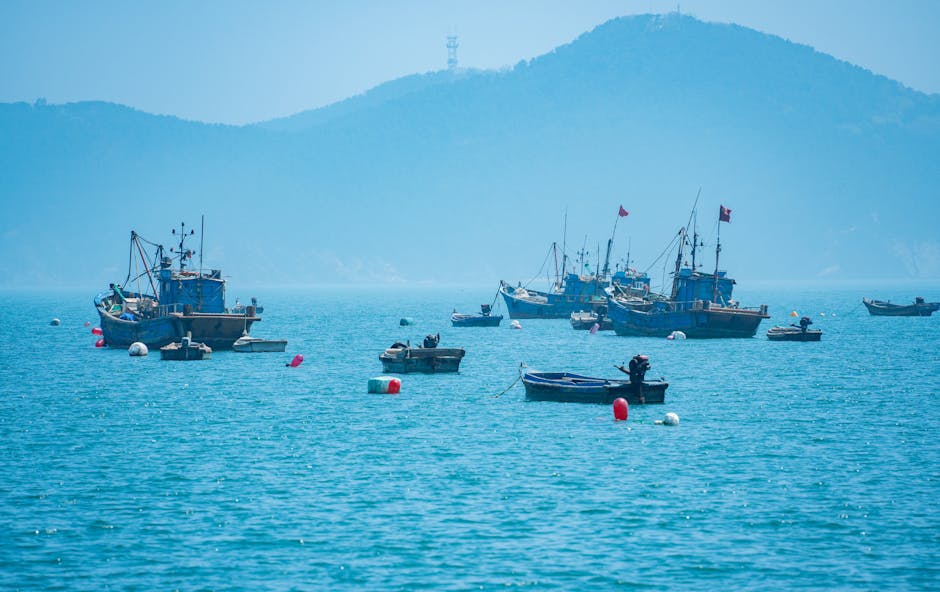
The North Sea has provided fish for centuries, but overfishing and climate change mean we must be thoughtful about the species we choose. Understanding sustainable fishing helps you make purchases that support healthy fish stocks and responsible fisheries.
What makes fishing sustainable? Sustainable fishing means catching fish at rates that allow populations to replenish naturally. It involves limiting catch sizes, protecting breeding grounds, and using methods that minimise damage to the seabed and accidental catch of other species. It's about balancing human needs with environmental protection.
MSC certification explained. The Marine Stewardship Council certifies fisheries that meet strict sustainability standards. Look for the blue MSC label on packaging. These fisheries are independently assessed and monitored to ensure they're not depleting fish stocks. It's a reliable guide when shopping.
Fish to choose freely. Mackerel, herring, and some species of shellfish are currently abundant in UK waters and fished sustainably. These offer excellent value and flavour. Pollock is another good choice, being less pressured than cod. Ask your fishmonger which fish are in good supply.
Fish to eat occasionally. Cod, haddock, and halibut are delicious but have faced overfishing. They're not off-limits, but choosing them less frequently helps populations recover. When you do buy them, ensure they're from certified sustainable sources.
Avoid these species. Bluefin tuna, Atlantic salmon (wild-caught), and some deep-sea fish should be avoided. They're either severely overfished or caught using methods damaging to the ocean environment. There are always better alternatives.
Support local fishermen. Buying from local fishmongers and UK-based suppliers supports sustainable fishing practices and reduces the environmental impact of transportation. Many small-scale British fishermen use methods that are both sustainable and selective.
Seasonal eating matters. Fish are naturally more abundant at certain times of year. Eating seasonally means buying fish at peak supply, which reduces pressure on stocks and often means better flavour and lower prices. Your fishmonger can advise on what's best right now.
Making informed choices about fish doesn't mean eating less of it. It means eating smarter, supporting responsible fisheries, and ensuring that future generations can enjoy Britain's seafood heritage too.